
.svg)

Introduction
Native to North America and harvested for centuries, the pecan has long earned its place at the table, from the Thanksgiving pie to the everyday trail mix. But beyond its rich, buttery flavour, the pecan is increasingly recognised by nutritionists and food scientists as one of the most nutrient-dense tree nuts available. As demand shifts from seasonal baking towards year-round snacking across China, India, Japan and Europe, it's worth understanding exactly why this nut has earned its "heart-healthy" reputation.
A nutrient-dense profile
Pecans are calorie-dense but nutritionally generous. A single serving delivers a meaningful dose of:
- Monounsaturated fats — the same heart-friendly fats found in olive oil, which help support healthy cholesterol levels
- Fibre — supporting digestive health and helping to promote a feeling of fullness
- Manganese — essential for bone health, metabolism and antioxidant defence
- Copper and zinc — important trace minerals for immune function and energy production
- Vitamin E and B-vitamins — supporting skin health, nervous system function and energy metabolism
One of the most antioxidant-rich nuts
Pecans consistently rank among the highest of all tree nuts for total antioxidant capacity. They are particularly rich in flavonoids and ellagic acid, plant compounds that help the body neutralise free radicals, unstable molecules linked to cellular ageing and chronic disease. This antioxidant density is a major reason pecans have moved beyond their traditional role in pies and pastries and into the premium "functional snacking" category.
Heart health support
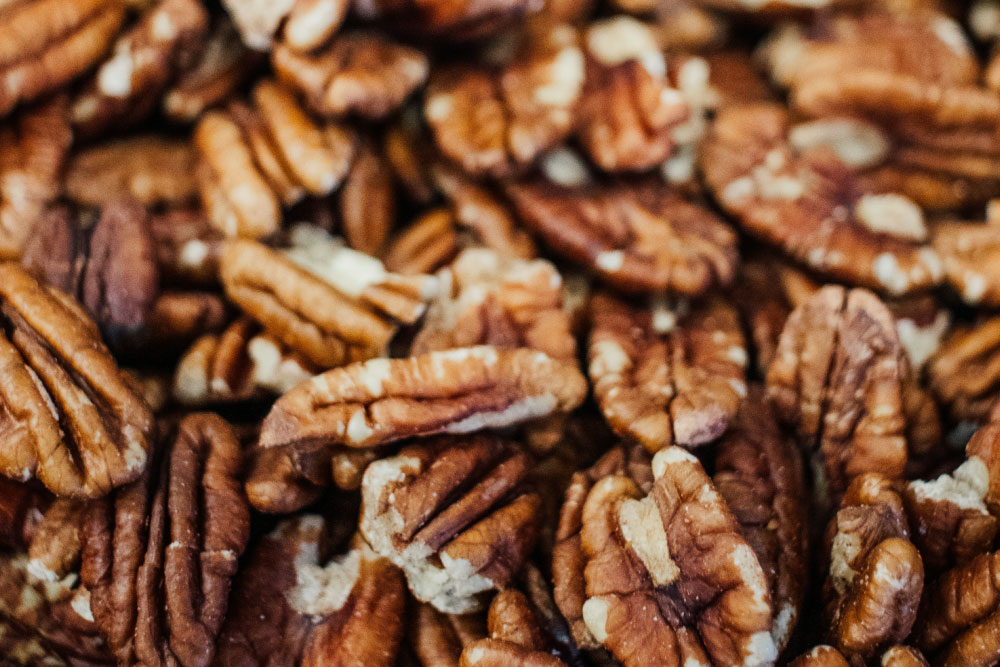
The fat profile of the pecan is its standout nutritional feature. Unlike the saturated fats found in many processed snacks, the fats in pecans are predominantly unsaturated, a profile that multiple population studies have associated with healthier cholesterol balance and reduced cardiovascular risk when nuts are eaten regularly as part of a balanced diet. This is one of the key reasons pecans, alongside almonds and walnuts, are frequently recommended within heart-healthy eating patterns such as the Mediterranean diet.
Blood sugar and weight management
Despite their richness, pecans have a low glycaemic impact. Their combination of fibre, protein and healthy fat slows digestion and helps moderate blood sugar response making them a smart addition to a balanced diet for those managing blood sugar levels. The same fibre-fat-protein combination also supports satiety, meaning a small handful can go a long way toward curbing hunger between meals, which is part of why pecans are gaining ground as a portion-controlled, better-for-you snack.
Versatility without compromise
What makes pecans particularly appealing from a nutritional standpoint is that their health benefits hold up across multiple uses:
- Raw or roasted as a standalone snack
- Chopped into salads for texture, healthy fats and crunch
- Blended into nut butters as a less common but increasingly popular alternative to peanut or almond butter
- Incorporated into baking, where their natural sweetness can reduce the need for added sugar
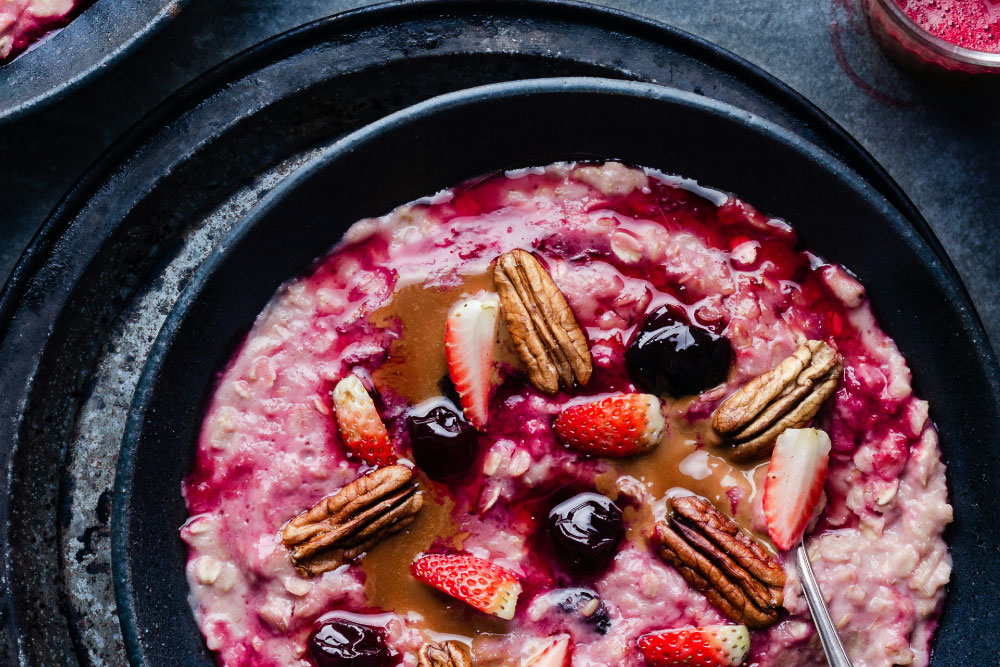
- Pressed into oil, with cold-pressed pecan oil emerging as a high-value, antioxidant-rich product for both culinary and cosmetic use

A smart choice for modern diets
As consumers around the world look for convenient, minimally processed sources of healthy fats and plant nutrition, pecans tick almost every box: rich in heart-healthy fats, dense in antioxidants, naturally low in sugar, and versatile enough to fit into everything from a quick snack to a gourmet dish. For a nut so deeply rooted in tradition, the pecan's nutritional credentials make it just as relevant to the modern, health-conscious consumer.
Checkout our latest article



.svg)
