
.svg)

Introduction
After two consecutive seasons of favourable rainfall under La Niña conditions, South Africa's agricultural sector is being asked to prepare for a very different scenario. Forecasters at the South African Weather Service (SAWS), the Australian Bureau of Meteorology and the International Research Institute for Climate and Society (IRI) are all pointing in the same direction: a transition into El Niño conditions later in 2026, continuing through the 2026/27 summer crop season and into 2027. As of mid-2026, the IRI puts the probability of El Niño developing at over 70%, and some meteorologists are warning the event could be unusually strong.
For a sector still recovering its footing after recent droughts, and for the global supply chains, including nut, fruit and grain buyers, that depend on South African production, this is a development worth watching closely.
What Is El Niño, and why does it matter here?
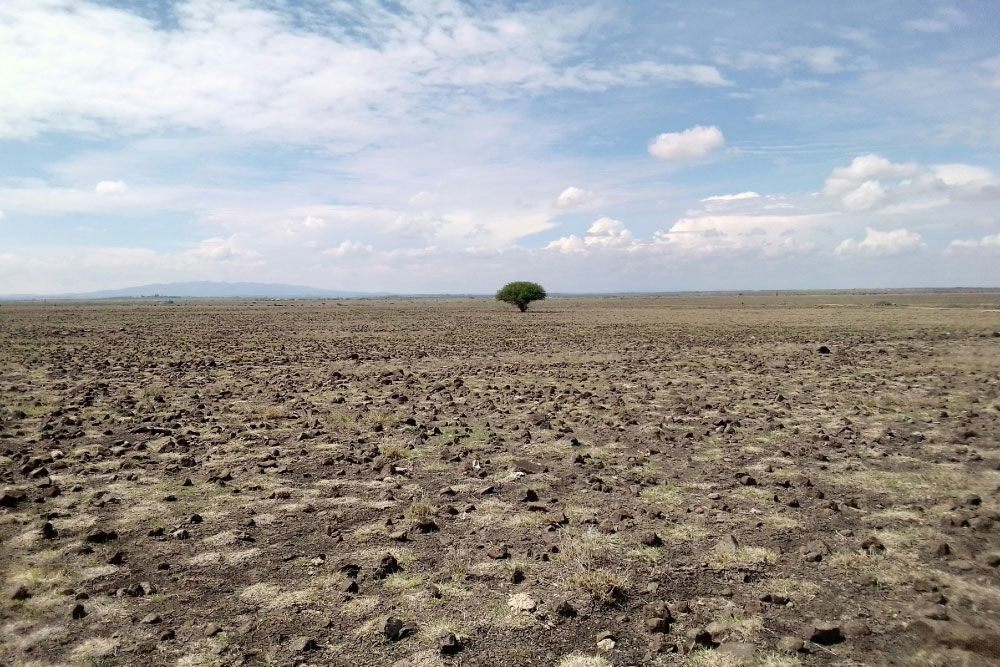
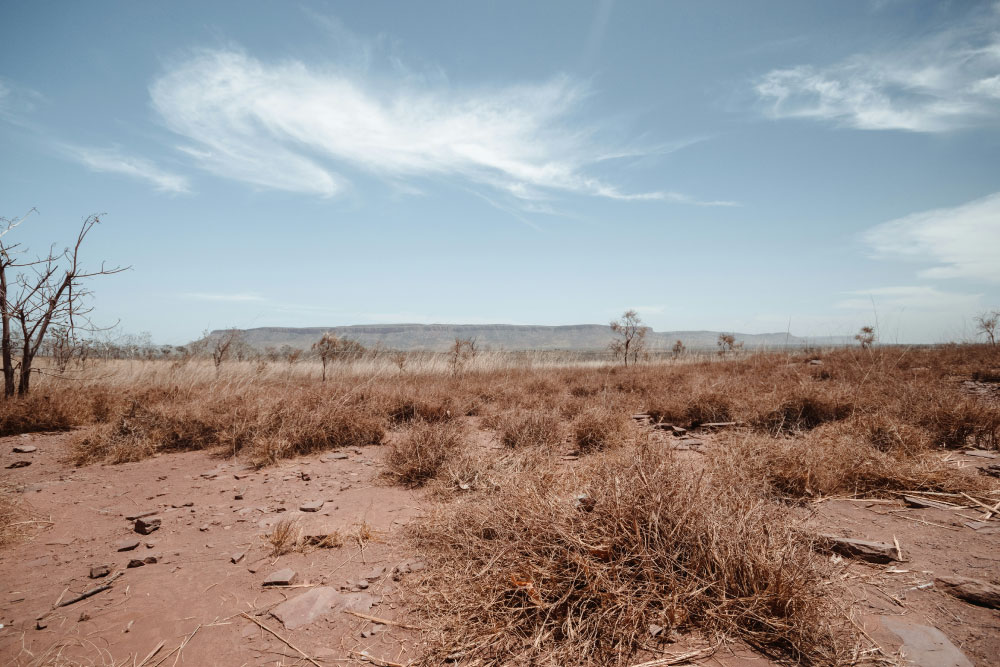
El Niño is the warm phase of the El Niño-Southern Oscillation (ENSO), a recurring shift in Pacific Ocean temperatures that influences weather patterns worldwide. For Southern Africa specifically, El Niño years are historically associated with below-average rainfall during the October-to-April summer rainy season, the period when the region's staple summer crops are planted and grown. In severe cases, this shortfall tips into outright drought.
This is the opposite pattern to La Niña, which tends to bring above-normal rainfall to the same growing areas, and which is largely responsible for the strong harvests South Africa has enjoyed over the past two seasons.

The track record: What happened last time
South Africa's modern agricultural sector has weathered El Niño before, and the historical data gives a useful benchmark for what could be at stake:
- During the mild 2023/24 El Niño-linked drought, South Africa's maize harvest fell by 22% year-on-year, dropping to around 12.9 million tonnes, compared with an expected 16.5 million tonnes in the favourable 2025/26 season
- In the more severe droughts of 2017/18 and 2018/19, the national maize crop averaged closer to 11.8 million tonnes
- The most extreme episode in recent memory, the 2014/15 and 2015/16 El Niño drought, pushed the maize harvest down to around 8.9 million tonnes on average, a stark illustration of how severe these events can become
- The 2015/16 global El Niño affected more than 60 million people across the region and triggered roughly USD 5 billion in international humanitarian appeals
While maize is the most-watched indicator because of its role in food security, the same dry conditions historically extend to oilseeds, vegetables, fruit and grazing land, meaning the risk isn't confined to grain farmers alone.
Beyond the fields: Water, livestock and cities
The risks of an El Niño season extend well past crop yields:
- Livestock and grazing — reduced rainfall lowers grazing capacity, forcing farmers to either reduce herd sizes or source supplementary feed at higher cost
- River systems — key transboundary rivers serving South Africa and its neighbours, including the Limpopo, Incomati and Maputo basins, are expected to see lower flows and reservoir levels, creating difficult trade-offs between drinking water, irrigation and permanent crops such as fruit trees
- Urban water supply — memories of Cape Town's 2018 "Day Zero" crisis remain fresh, and city authorities are reportedly taking early steps to avoid a repeat in the event of a prolonged dry spell
- Input costs — separately, global fertiliser and shipping costs have been pushed upward by unrelated geopolitical disruptions, meaning a poor rainfall season could coincide with an already more expensive cost base for farmers
What this could mean for high-value tree crops
While much of the public conversation understandably centres on staple grains, South Africa's high-value horticultural and tree nut sectors including macadamias, pecans and citrus are not insulated from a below-average rainfall season. These are long-cycle, capital-intensive crops, often grown in regions such as Mpumalanga, Limpopo and KwaZulu-Natal, where irrigation is already carefully managed and where water allocation decisions during a drought tend to prioritise permanent plantings over annual crops, but not without cost or competition for limited supply. Reduced water availability during flowering and nut-fill periods can affect both yield and nut size, with knock-on effects for grading and quality further down the supply chain.
Reasons for cautious optimism
It isn't all downside. Several factors suggest South Africa's commercial farming sector may be better placed to absorb an El Niño shock than it was a decade ago:
- Strong starting position — the sector enters this period off the back of two good seasons, with ample carry-over stock in staples such as maize, which should help cushion any near-term shortfall
- Improved seed technology — advances in drought-tolerant seed varieties have been a direct response to recent climate cycles, and are expected to provide more resilience than in previous El Niño events
- Precision farming — GPS-guided irrigation and input application allow commercial farmers to use water and resources more efficiently than in the past
- Lessons from history — South Africa's large-scale commercial sector weathered the last major El Niño considerably better than many neighbouring countries, partly due to its scale, infrastructure and access to capital
What to watch in the months ahead
A great deal remains uncertain, and forecasters are clear that confidence in the outlook decreases the further out the forecast extends. Key signals to monitor over the coming months include:
- Monthly updates from the South African Weather Service as the picture becomes clearer ahead of the October planting season
- Early-season rainfall patterns once summer crop planting begins
- Movements in regional grain and food price inflation, which economists expect to become more visible toward the end of 2026 and into 2027 if dry conditions materialise
- Water levels in key agricultural catchment areas, particularly in the maize triangle spanning the Free State, Mpumalanga and North West
For a sourcing partner with deep roots in agricultural supply chains, periods like this are exactly why on-the-ground relationships with growers matter. Weather risk is an inherent part of farming, but its impact on supply, quality and pricing can be managed far more effectively with early information, diversified sourcing and strong, long-term grower partnerships. As the picture for the 2026/27 season becomes clearer over the coming months, it's a development well worth continuing to track.
Checkout our latest article



.svg)
